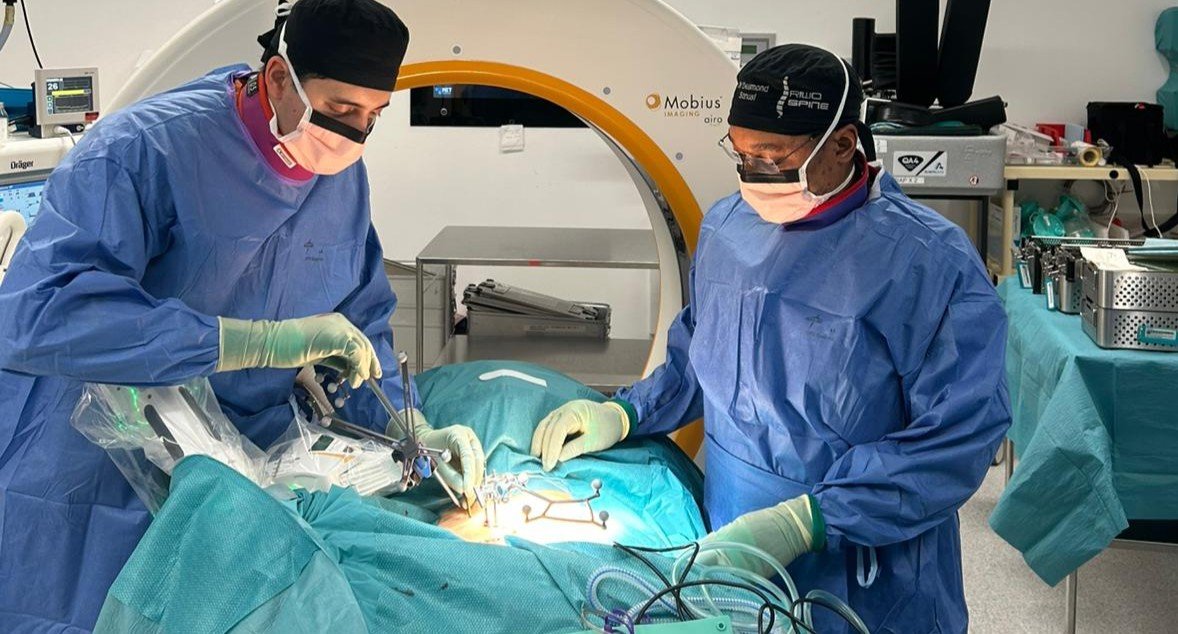
When patients are told they may need spine surgery, one of the first concerns is often:
“How do surgeons make sure everything is placed in exactly the right position?”
It is a sensible question. Many spinal procedures involve placing screws, rods or other implants close to delicate nerves, the spinal cord and important blood vessels. Even a small difference in implant position can influence the stability of the spine and, in some cases, the overall outcome of surgery.
Over the past decade, robotic-assisted technology has become one of the most significant advances in modern spine surgery. Working alongside advanced imaging and computer navigation, robotic systems help surgeons carefully plan implant placement before surgery and guide them during the procedure. While this technology has attracted considerable attention, many patients still wonder:
- Is robotic spine surgery really more accurate?
- Does a robot perform the operation?
- Can robotic technology make spine surgery safer?
- What does the latest medical research actually show?
The answers are encouraging, but they also require some explanation.
First, it is important to understand that a robot never replaces the surgeon. During robotic-assisted spine surgery, every decision is made by the operating surgeon. The robotic system acts as a highly sophisticated guidance tool that assists with surgical planning and helps position spinal implants according to the surgeon’s chosen trajectory. Throughout the operation, the surgeon remains in complete control.
As robotic technology becomes more widely adopted across the NHS and internationally, researchers are also studying whether these systems improve surgical precision, reduce complications and make complex spinal procedures more efficient.
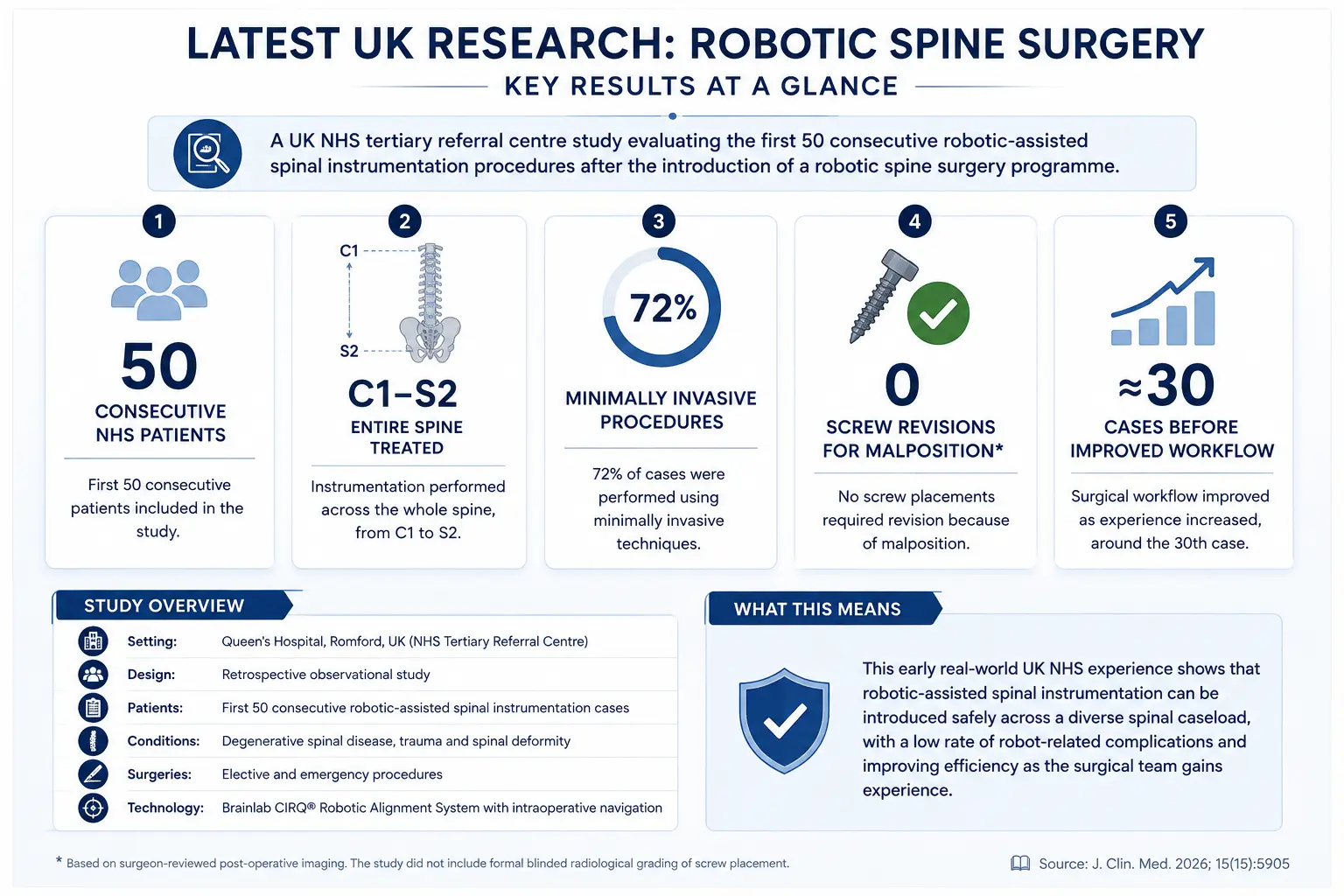
One of the latest contributions to this evidence comes from a peer-reviewed study published in the Journal of Clinical Medicine. The research was co-authored by Mr. Taofiq Desmond Sanusi, Consultant Neurosurgeon and Complex Spine Surgeon at SpineFocus UK, together with colleagues at Queen’s Hospital, Romford. The study examined the first 50 consecutive robotic-assisted spinal instrumentation procedures performed after the introduction of a robotic spine surgery programme within a UK NHS tertiary referral centre.
Unlike many previous studies that focused only on carefully selected patients, this research included a broad range of real-world spinal conditions. The surgeons treated patients with degenerative spinal disease, traumatic spinal injuries and spinal deformities involving different regions of the spine, ranging from the upper cervical spine (C1) to the sacrum (S2). The study also included both planned (elective) procedures and emergency operations, providing valuable insight into how robotic-assisted spinal surgery performs in everyday NHS practice.
Although this early research was not designed to prove that robotic surgery is superior to conventional techniques, it demonstrated that robotic-assisted spinal instrumentation could be introduced safely across a diverse spinal caseload while maintaining a low rate of robot-related complications. The authors also observed improvements in surgical workflow as experience with the technology increased, highlighting the importance of training and team experience.
In this article, we explain how robotic spine surgery works, what surgeons mean by “accuracy”, why precise implant placement is so important, and what the latest UK research means for patients considering spinal surgery.
For readers interested in the full scientific publication, the complete peer-reviewed study can be accessed in the Journal of Clinical Medicine.
What Is Robotic Spine Surgery?
Despite its name, robotic spine surgery does not mean that a robot performs your operation independently.
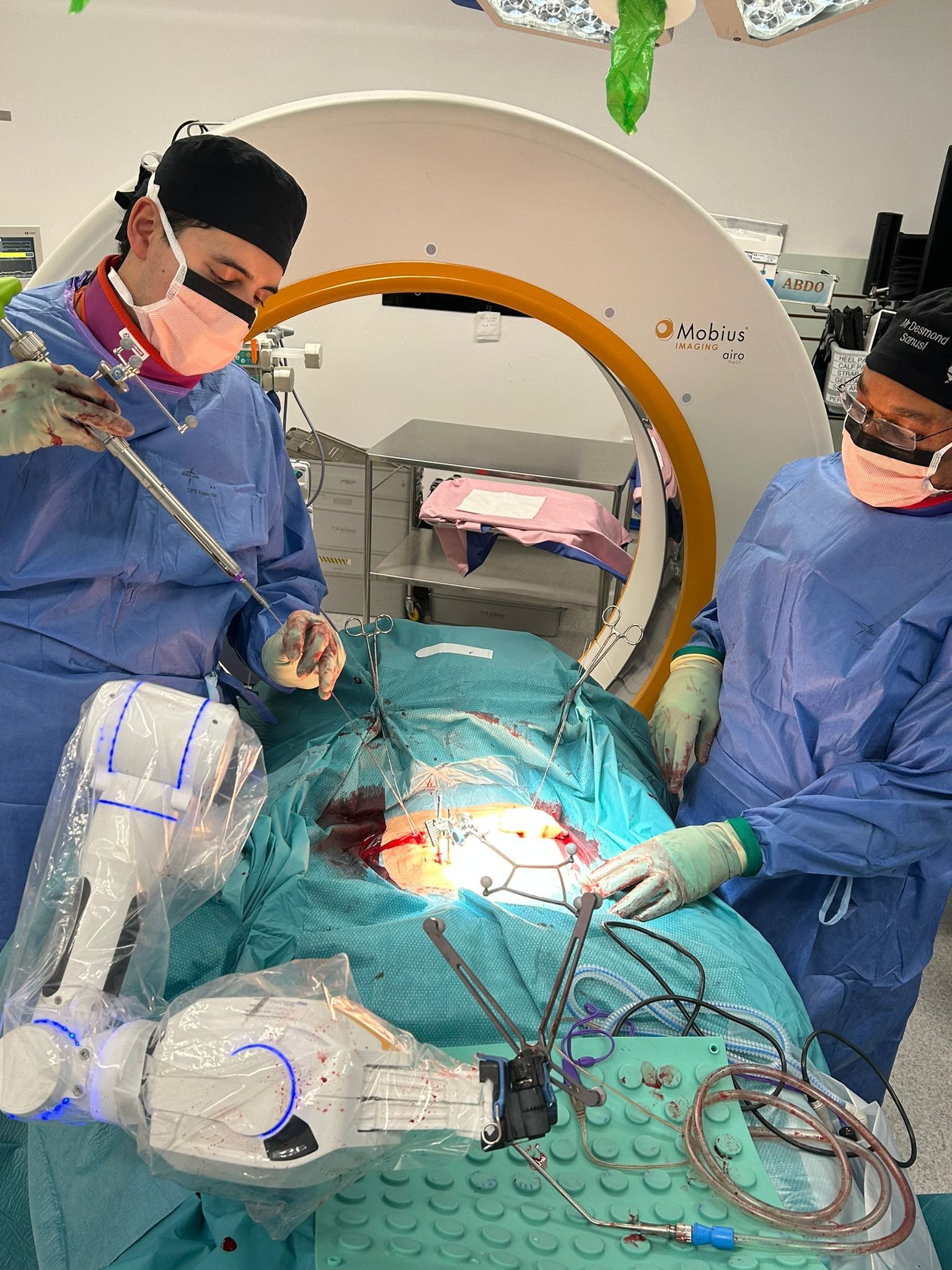
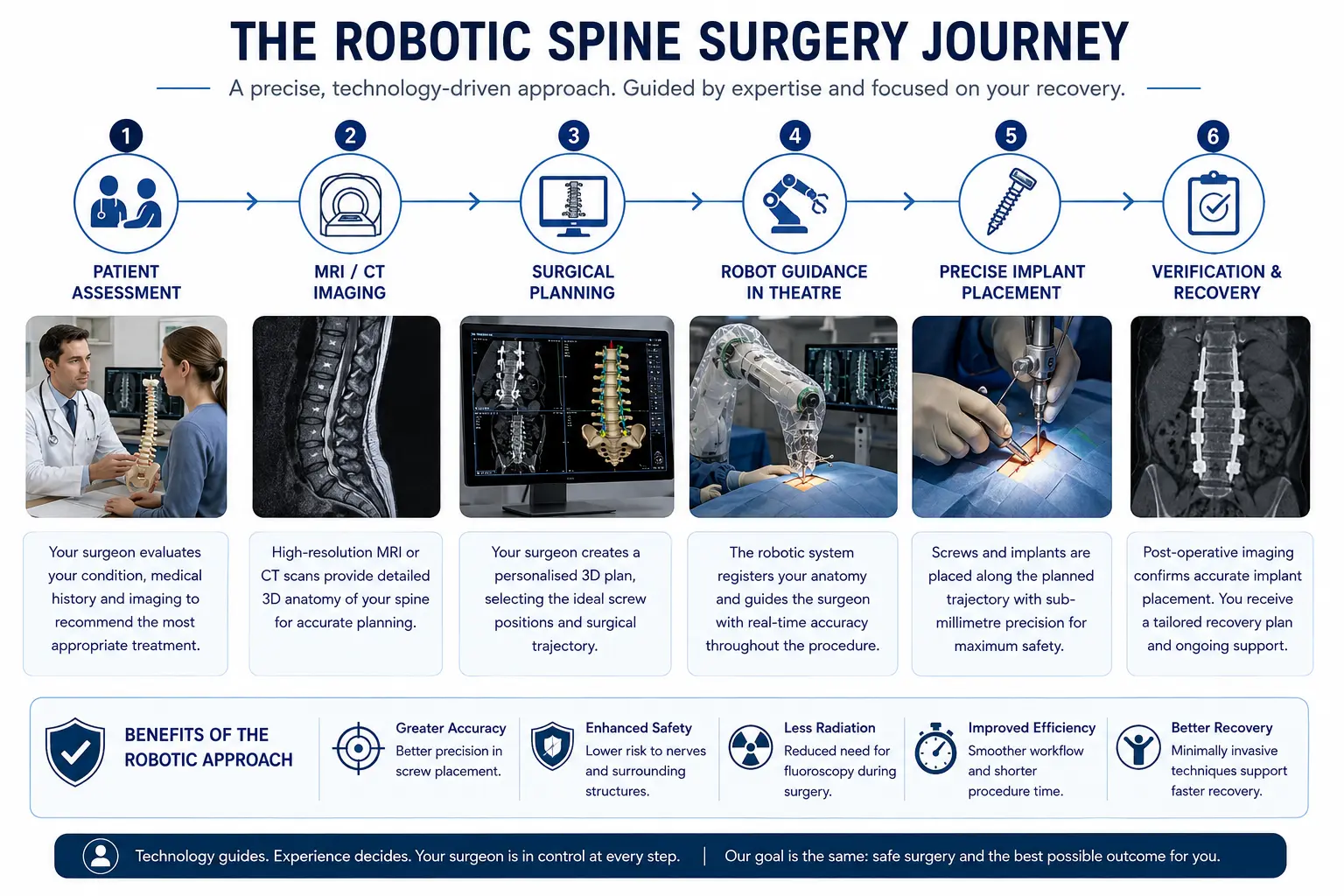
Instead, robotic-assisted spine surgery combines advanced computer planning, three-dimensional imaging, surgical navigation and robotic guidance to help the surgeon place spinal implants with a high degree of precision.
Before surgery begins, detailed imaging of the patient’s spine is used to create a three-dimensional surgical plan. During the operation, the robotic system works together with a navigation platform that continuously tracks the position of the surgical instruments in relation to the patient’s anatomy.
This allows the surgeon to visualise the planned implant trajectory before inserting spinal screws. Rather than relying solely on conventional fluoroscopy (real-time X-ray imaging), the surgeon can use robotic guidance to reproduce the planned pathway while continuously confirming implant position.
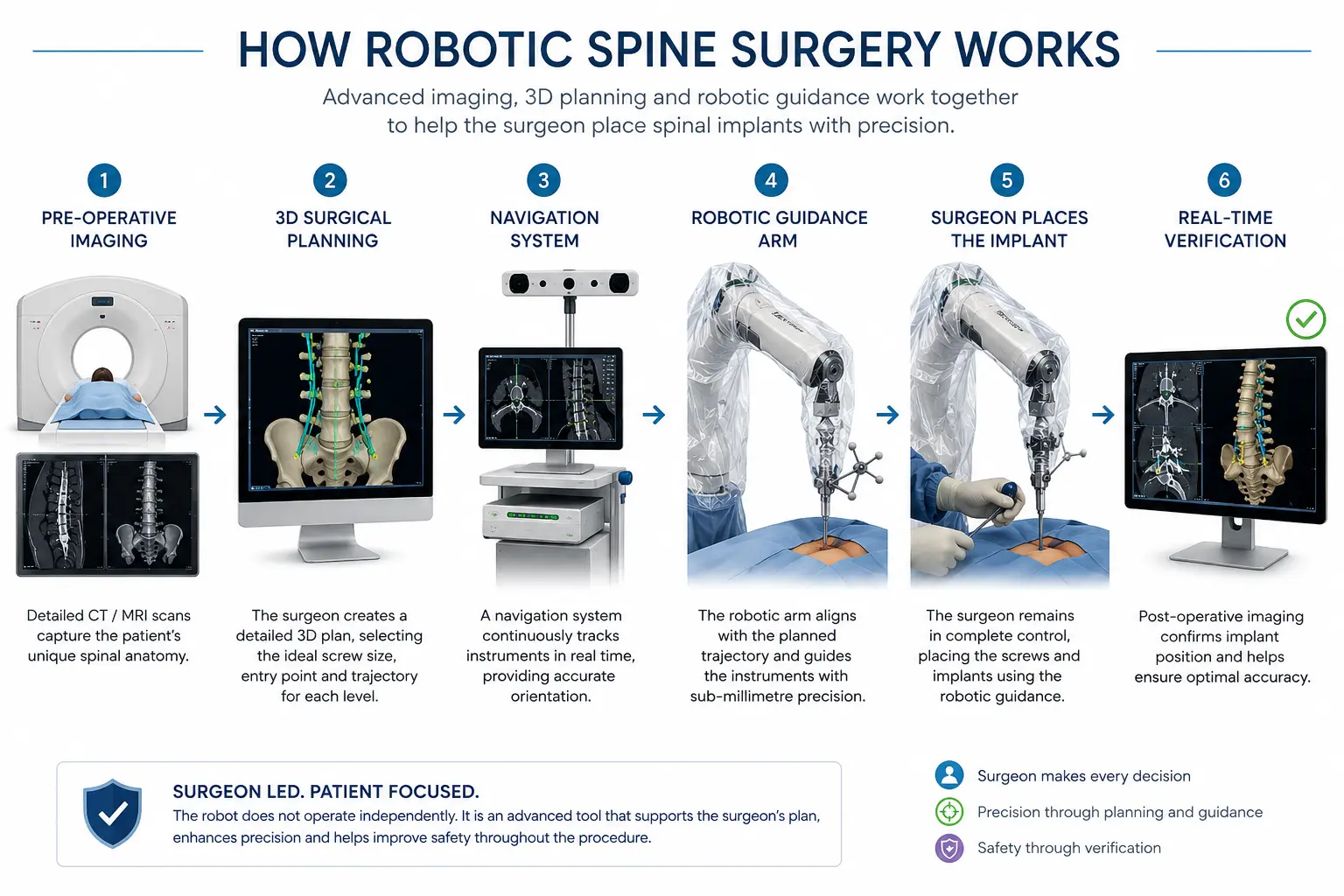
In the published UK study, the surgical team used the Brainlab CIRQ® Robotic Alignment System, integrated with intraoperative navigation. After registering the patient’s anatomy using advanced imaging, the robotic arm was aligned with the planned screw trajectory. The surgeon then inserted the instrumentation using navigated surgical instruments while remaining fully responsible for every stage of the procedure.
In other words, the robotic platform functions as an advanced surgical assistant—not an autonomous surgeon. Clinical judgement, surgical decision-making and every important step of the operation continue to depend on the experience and expertise of the operating spine surgeon.
Robotic-Assisted Spine Surgery vs Traditional Spine Surgery
Many patients wonder how robotic-assisted spine surgery differs from conventional spinal surgery. While both approaches are performed by experienced spine surgeons, robotic-assisted technology provides additional planning and navigation tools that may help improve precision during implant placement.
| Feature | Traditional Spine Surgery | Robotic-Assisted Spine Surgery |
|---|---|---|
| Who performs the surgery? | The surgeon performs every stage of the operation. | The surgeon performs every stage of the operation while using robotic guidance as an advanced surgical tool. |
| Surgical planning | Based on pre-operative imaging and the surgeon’s experience. | Detailed three-dimensional planning using advanced imaging and navigation. |
| Implant guidance | Typically guided by fluoroscopy and anatomical landmarks. | Robotic guidance helps align instruments with the surgeon’s planned trajectory. |
| Navigation | May use fluoroscopy or navigation depending on the procedure. | Integrated computer navigation throughout implant placement. |
| Radiation use | Depends on surgical technique and imaging requirements. | The recent UK study observed fewer fluoroscopy events as the surgical team gained experience, suggesting improved workflow. |
| Surgeon’s role | Complete control throughout surgery. | Complete control throughout surgery—the robot never replaces the surgeon. |
| Current evidence | Well-established surgical techniques with decades of clinical experience. | Growing evidence supports feasibility and precision, although larger comparative studies are still needed. |
What Does “Accuracy” Mean in Spine Surgery?
When surgeons talk about the accuracy of spine surgery, they are not referring to performing the operation more quickly or using more advanced technology alone. Instead, accuracy means carrying out every stage of the procedure exactly as planned while protecting the delicate structures surrounding the spine.
Many spinal operations require the insertion of specialised implants, including pedicle screws and rods, to stabilise the spine after decompression or spinal fusion. These implants must be positioned with great precision because they are often placed only millimetres away from important nerves, the spinal cord and major blood vessels.
The aim is not simply to place a screw inside the bone, but to place it in the optimal position for each individual patient.
Accurate implant placement helps surgeons to:
- Provide strong and stable spinal fixation.
- Protect nearby nerves and the spinal cord.
- Reduce the likelihood of implant-related complications.
- Maintain correct spinal alignment.
- Support successful spinal fusion and long-term stability.
- Reduce the chance of revision surgery caused by implant malposition.
Every patient’s spine is unique. Factors such as previous surgery, spinal degeneration, scoliosis, fractures or congenital differences can make spinal anatomy more challenging. In these situations, careful pre-operative planning and accurate implant placement become even more important.
This is one reason why many specialist spine centres now combine the surgeon’s experience with advanced technologies such as three-dimensional navigation and robotic guidance, particularly during complex spinal instrumentation procedures.
Why Accurate Screw Placement Matters
Pedicle screws are among the most commonly used implants in modern spine surgery. They provide a strong anchor within the vertebrae, allowing the surgeon to stabilise the spine while bones heal following spinal fusion or reconstruct damaged segments of the spine.
Although spinal instrumentation has been performed successfully for many years using conventional techniques, accurate screw placement has always been one of the most technically demanding aspects of spine surgery.
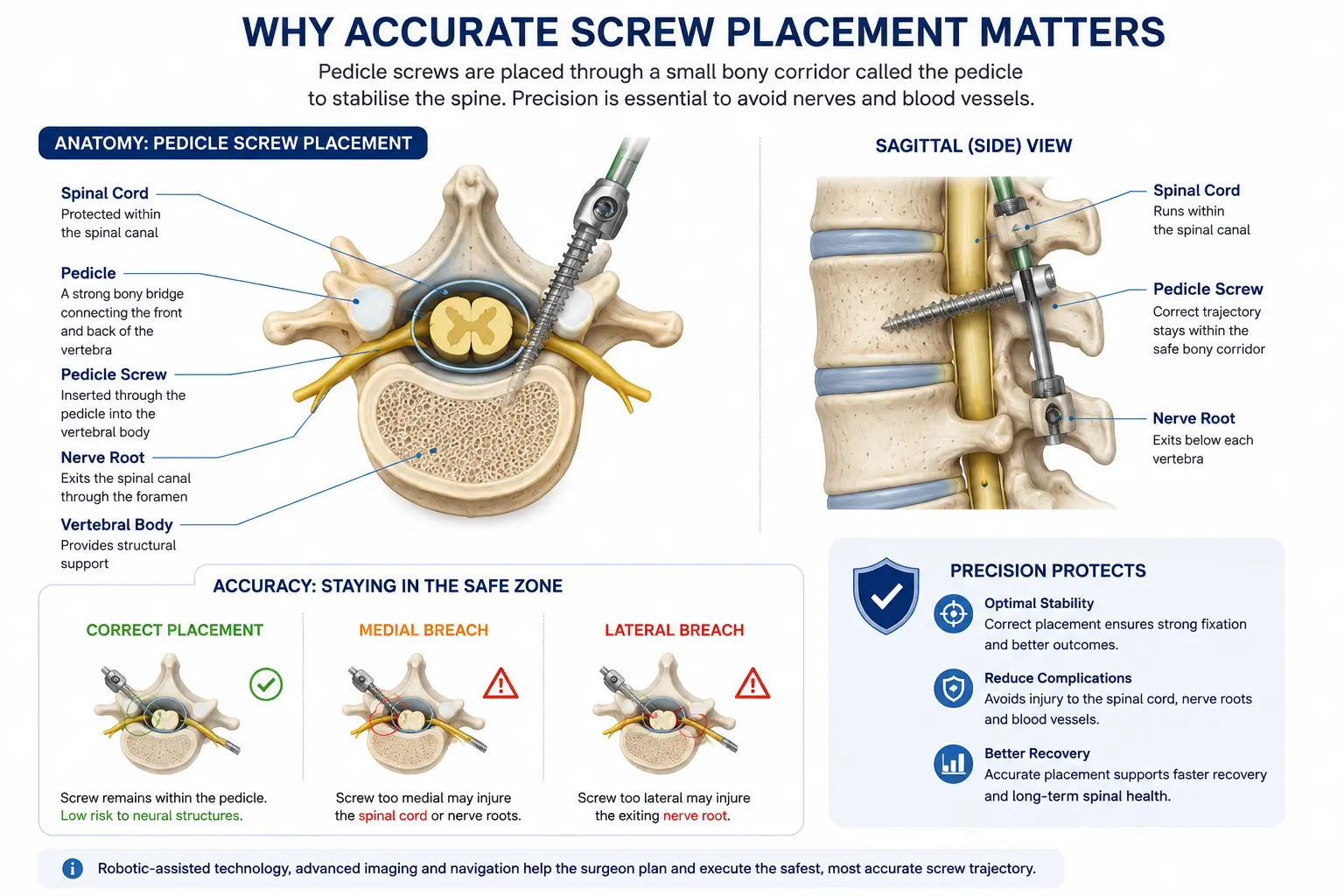
The position of every screw must be carefully planned according to the patient’s individual anatomy. If a screw is placed outside its intended pathway, it may reduce the strength of the construct or, in uncommon cases, irritate nearby nerves or other important structures.
For this reason, surgeons have continually adopted new technologies designed to improve surgical precision. These include:
- High-resolution CT imaging for detailed surgical planning.
- Three-dimensional spinal navigation.
- Real-time intraoperative imaging.
- Computer-assisted surgical guidance.
- Robotic-assisted spinal instrumentation.
These technologies do not replace surgical judgement. Instead, they provide additional information that helps experienced spine surgeons reproduce their planned implant trajectories more consistently, particularly during technically demanding procedures.
Modern robotic systems are designed to assist the surgeon before the first screw is inserted. Using advanced imaging, the surgeon can plan the exact position, angle and depth of each implant based on the patient’s own spinal anatomy. During surgery, the robotic guidance system helps align surgical instruments with this pre-planned trajectory while the surgeon continuously verifies every step.
Does robotic guidance guarantee perfect accuracy?
No. Although robotic-assisted technology is designed to improve surgical precision, no technology can guarantee a perfect outcome in every patient. Factors such as bone quality, spinal deformity, previous operations and the complexity of the procedure can all influence surgery.
Importantly, robotic systems are designed to support experienced surgeons rather than replace them. Clinical judgement, anatomical knowledge and intraoperative decision-making remain essential throughout every operation.
What Did the Latest UK Research Investigate?
To better understand how robotic-assisted spinal instrumentation performs in routine clinical practice, researchers at Queen’s Hospital, Romford, carried out a retrospective study examining the first 50 consecutive patients treated after introducing their robotic spine surgery programme.
The study, published in the Journal of Clinical Medicine, was co-authored by Mr. Taofiq Desmond Sanusi and colleagues. Rather than focusing on one specific spinal condition, the research reflected the wide variety of patients commonly treated within a busy NHS tertiary referral centre.
The study included:
- 50 consecutive robotic-assisted spinal instrumentation procedures.
- Patients treated between June 2024 and January 2026.
- Both elective and emergency spinal surgery.
- Degenerative spinal conditions.
- Traumatic spinal injuries.
- Adult spinal deformity.
- Operations performed from the upper cervical spine (C1) to the sacrum (S2).
Unlike many early studies that only include carefully selected cases, this research evaluated robotic-assisted spinal surgery across a broad range of real-world spinal conditions encountered within the NHS. The authors specifically wanted to assess whether the technology could be introduced safely, examine its early learning curve and describe outcomes during the programme’s initial experience.
It is also important to understand what the study was not designed to do. The authors clearly state that this was an observational study without a comparison group. As a result, it cannot prove that robotic-assisted surgery is superior to conventional spinal surgery. Instead, it provides valuable early evidence regarding the feasibility, safety profile and clinical implementation of robotic-assisted spinal instrumentation within an NHS setting.
Research at a Glance
- Published in: Journal of Clinical Medicine (2026)
- Study setting: Queen’s Hospital, Romford, UK
- Study design: Retrospective observational study
- Patients: First 50 consecutive robotic-assisted spinal instrumentation procedures
- Conditions treated: Degenerative spinal disease, trauma and spinal deformity
- Operations: Elective and emergency spinal surgery
- Levels treated: C1 to S2
- Key finding: No screw placements required revision because of malposition during the study period.
Latest UK Research: Key Results
50
Consecutive NHS Patients
C1–S2
Entire Spine Treated
72%
Minimally Invasive Procedures
0
Screw Revisions for Malposition*
≈30
Cases Before Improved Workflow
*Based on surgeon-reviewed post-operative imaging. The study did not include formal blinded radiological grading of screw placement.
What Did the Research Find?
The primary aim of the study was to evaluate whether robotic-assisted spinal instrumentation could be safely introduced into a busy UK NHS neurosurgical centre and to assess its early clinical performance across a wide variety of spinal conditions.
The researchers analysed the first 50 consecutive patients who underwent robotic-assisted spinal instrumentation between June 2024 and January 2026. Rather than selecting only straightforward cases, the study included patients with degenerative spinal disease, traumatic spinal injuries and spinal deformity, representing the type of patients commonly treated in everyday clinical practice.
Several important findings emerged from the study, providing encouraging evidence for the use of robotic-assisted technology within modern spine surgery.
Key Finding 1: No Screw Placements Required Revision for Malposition
One of the most reassuring findings involved the accuracy of spinal implant placement.
Following surgery, all available post-operative imaging was reviewed by the operating surgeon. During the study period, no pedicle screw placements required revision because of malposition.
For patients, this is particularly important because one of the main goals of robotic guidance is to help surgeons reproduce the planned implant trajectory with a high degree of precision.
However, it is equally important to understand exactly what this result means.
The authors explain that this represents a clinical revision rate, meaning that no screws needed to be repositioned after surgery based on routine post-operative imaging and clinical assessment. The study did not include formal blinded radiological grading of every screw using the Gertzbein–Robbins Scale, which is considered one of the recognised research methods for evaluating pedicle screw accuracy.
In other words, the study demonstrates excellent early clinical results but does not claim perfect radiological accuracy. The authors themselves recommend larger comparative studies with formal CT-based accuracy assessment in the future.
What This Means for Patients
The findings suggest that robotic-assisted spinal instrumentation can support highly accurate implant placement during routine NHS practice. Importantly, none of the patients in this early study required further surgery because a screw had been placed in the wrong position. While this is encouraging, the researchers appropriately note that further studies involving larger patient groups are needed to confirm these results.
Key Finding 2: Low Rates of Robot-Related Problems
Introducing any new surgical technology requires careful evaluation of both its benefits and its potential risks.
One of the objectives of this study was therefore to examine whether any problems occurred that were directly related to the robotic system itself.
The researchers found that robot-specific complications were uncommon throughout the first 50 procedures.
| Robot-Related Outcome | Study Finding |
|---|---|
| Robot abandoned or converted to conventional technique | 2 cases |
| System malfunction | 1 case |
| Mechanical obstruction | None reported |
| Navigation drift | None reported |
| Skipped robotic trajectory | None reported |
These findings indicate that the robotic platform could be integrated into routine clinical practice with relatively few robot-specific issues during the programme’s early experience.
As with any technology, surgeons remain prepared to continue the operation using conventional techniques if necessary. The robotic system is an additional surgical tool rather than something that prevents surgery from continuing should technical issues arise.
Key Finding 3: Improvements as Experience Increased
Another particularly interesting finding was how the surgical team’s efficiency improved as they gained more experience with robotic-assisted surgery.
When introducing any advanced surgical technology, there is naturally a learning curve. Surgeons, theatre staff and radiographers all become more familiar with the workflow over time.
To evaluate this, the researchers performed a statistical learning curve analysis using a recognised method called cumulative sum (CUSUM) analysis.
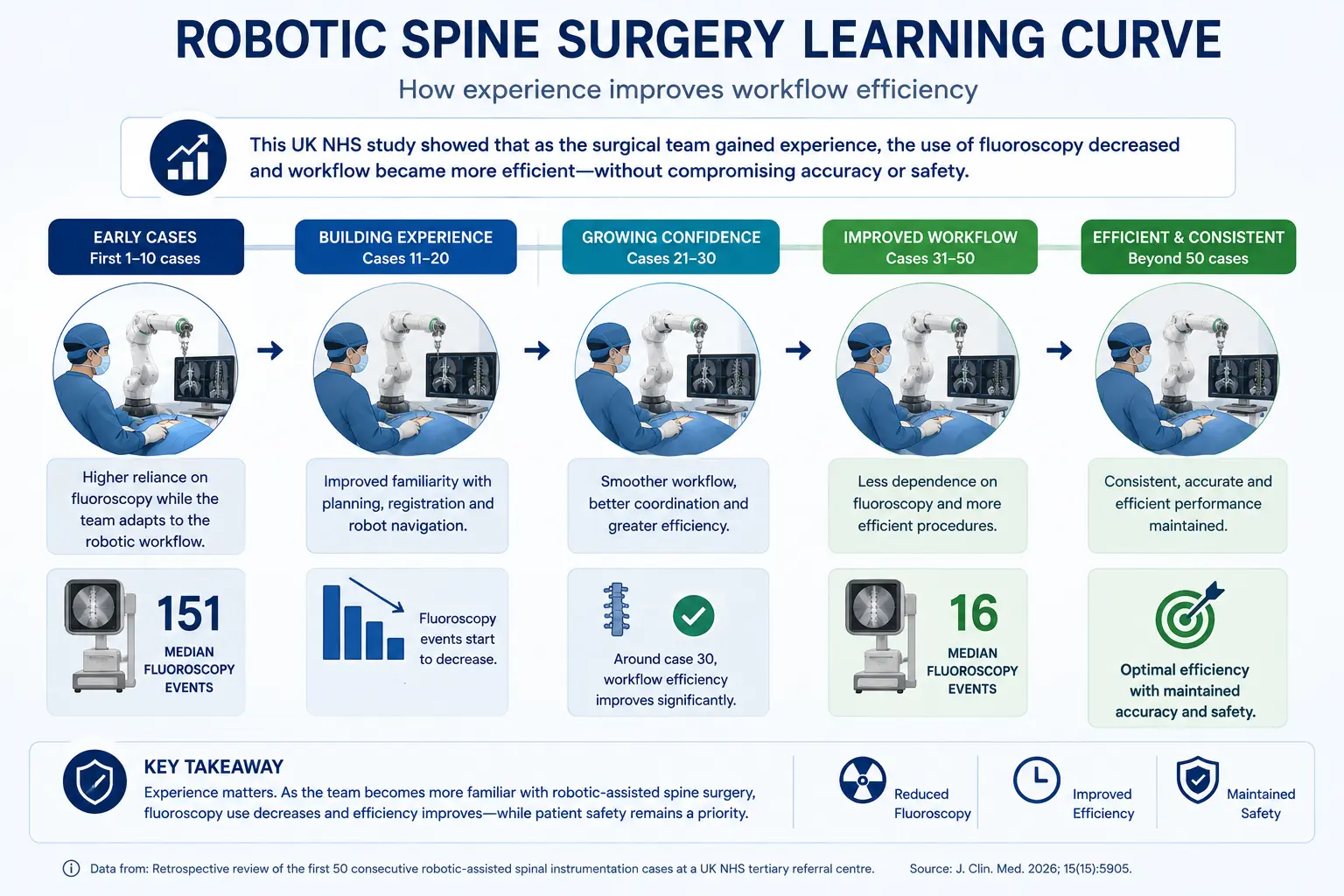
The analysis suggested that after approximately 30 robotic-assisted cases, the team’s workflow became noticeably more efficient.
One of the clearest improvements involved fluoroscopy usage.
| During Early Cases | After Approximately 30 Cases |
|---|---|
| Median fluoroscopy events: 151 | Median fluoroscopy events: 16 |
This substantial reduction suggests that the surgical team became increasingly confident with the robotic workflow, requiring fewer fluoroscopic image acquisitions during surgery.Reducing fluoroscopy is important because it may decrease radiation exposure for members of the operating theatre team while also reflecting improvements in overall procedural efficiency.
The authors caution, however, that several factors—including case complexity, surgical approach and registration methods—may also have influenced these findings. For this reason, they describe the observed learning curve as an important early observation rather than definitive proof.
Why Experience Matters
Advanced technology is only one part of successful spine surgery. The study highlights that outcomes also depend on structured training, careful planning and an experienced multidisciplinary team. Robotic guidance enhances the surgeon’s capabilities, but it does not replace surgical expertise, judgement or decision-making.
Key Finding 4: Robotic Surgery Was Used Across a Wide Range of Spinal Conditions
Unlike many early robotic surgery studies that focused primarily on routine lumbar procedures, this research demonstrated that robotic-assisted spinal instrumentation could be applied across a remarkably broad range of spinal conditions.
The study included patients undergoing surgery for:
- Degenerative spinal disorders.
- Spinal trauma and fractures.
- Adult spinal deformity.
- Elective spinal surgery.
- Emergency spinal surgery.
- Instrumentation from the upper cervical spine (C1) to the sacrum (S2).
Nearly three-quarters of patients underwent minimally invasive surgery, demonstrating how robotic guidance can be incorporated into modern minimally invasive spinal techniques where appropriate.
This broad case mix makes the findings particularly valuable because they reflect real-world NHS practice rather than a highly selected group of patients.
Is Robotic Spine Surgery Better Than Traditional Spine Surgery?
This is one of the most common questions patients ask, but the answer is not as simple as saying “yes” or “no”.
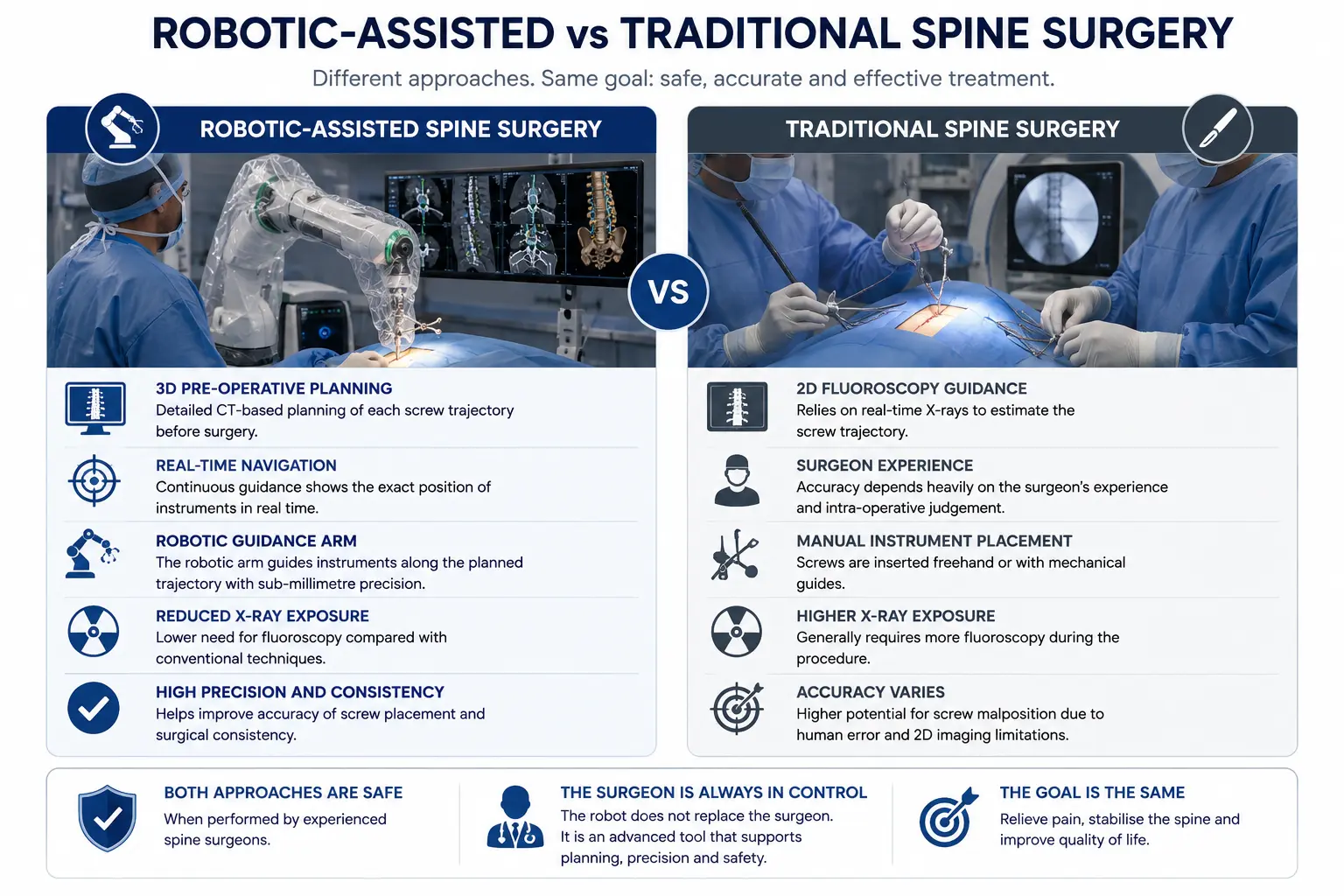
Robotic-assisted technology represents an important advancement in spinal surgery, but successful outcomes still depend on many factors, including:
- The patient’s diagnosis and spinal anatomy.
- The complexity of the procedure.
- The surgeon’s experience.
- Careful pre-operative planning.
- Appropriate patient selection.
- Modern imaging and navigation technology.
The recent UK study co-authored by Mr. Taofiq Desmond Sanusi was designed to evaluate whether robotic-assisted spinal instrumentation could be introduced safely into routine NHS practice. The findings demonstrated encouraging early results across a diverse group of patients, including those undergoing both elective and emergency spinal surgery.
However, the authors also emphasise that this was not a comparative study. Because there was no control group treated using conventional techniques, the research cannot conclude that robotic-assisted surgery is superior to traditional spinal surgery. Larger comparative studies will be needed to answer that question definitively.
For patients, the most important message is that robotic technology is designed to support the surgeon by improving planning and surgical guidance. When used appropriately by an experienced spinal surgeon, it represents another valuable tool that may contribute to precise implant placement and efficient surgical workflow.
What This Research Means for Patients
Medical research often contains complex statistical analysis that can be difficult for patients to interpret. The findings from this study can be summarised into several practical points.
What Patients Can Take Away from This Study
- Robotic-assisted spinal instrumentation was successfully introduced into a busy UK NHS neurosurgical centre.
- The technology was used across a broad range of spinal conditions, including degenerative disease, trauma and spinal deformity.
- No spinal screws required revision because of malposition during the study period on surgeon-reviewed post-operative imaging.
- Robot-related technical problems were uncommon during the programme’s early experience.
- The surgical team’s workflow became more efficient as experience with the robotic system increased.
- The authors recommend further larger studies before drawing conclusions about superiority over conventional techniques.
Perhaps the most reassuring aspect of the research is that robotic-assisted spinal instrumentation was shown to be feasible across a wide variety of complex spinal conditions while maintaining a low observed rate of robot-related complications during the programme’s initial experience.
As robotic technology continues to evolve, future research involving larger numbers of patients and longer follow-up will help surgeons better understand its role in improving spinal surgery outcomes.
Why Surgical Experience Still Matters
Although robotic technology is an exciting development, it should never be viewed as a replacement for surgical expertise.
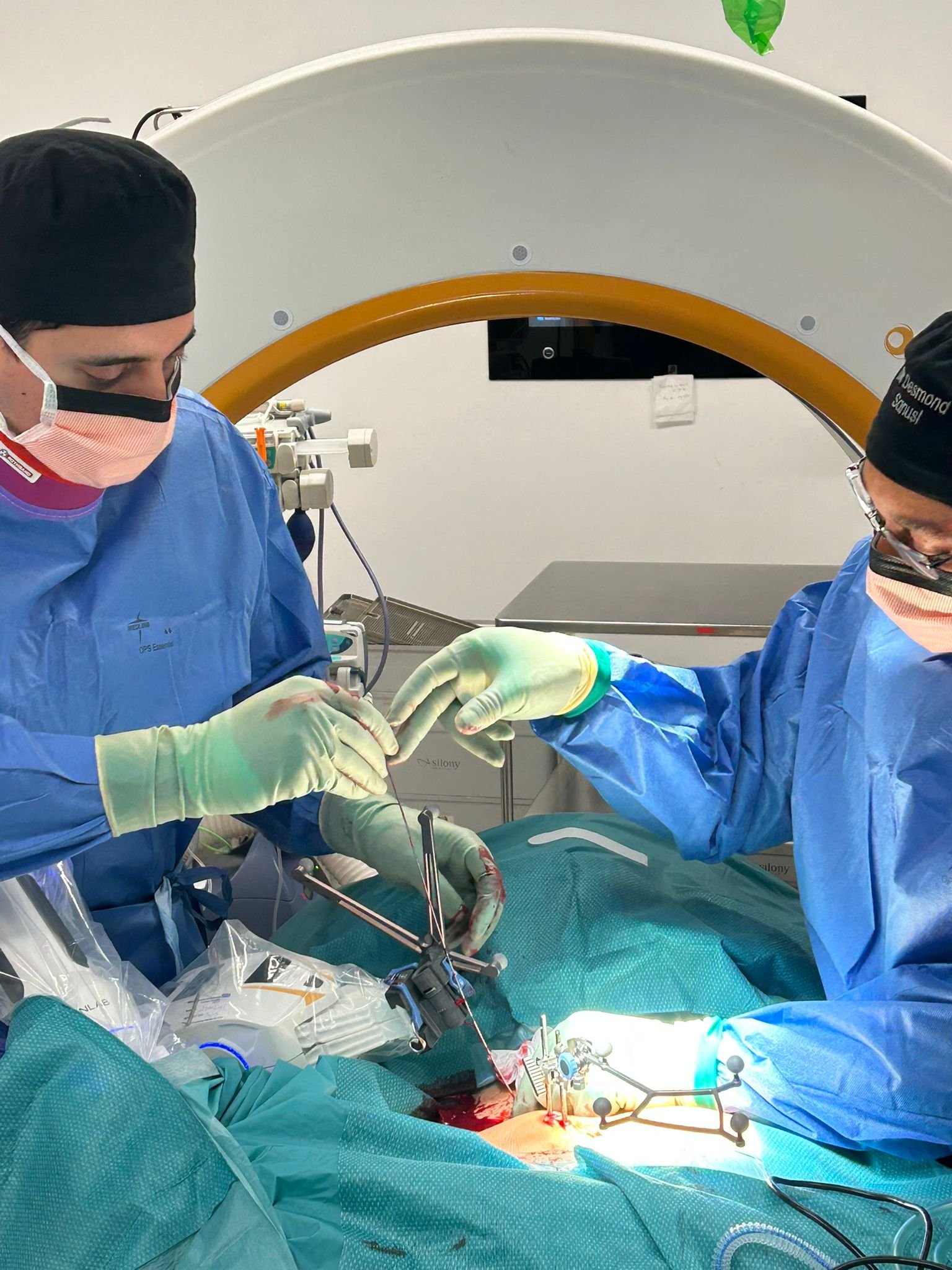
The robot does not decide where surgery should be performed, which implants should be used or how the operation should proceed. These decisions remain entirely the responsibility of the operating surgeon.
Technology can enhance precision, but successful spine surgery continues to depend on careful diagnosis, detailed planning, sound surgical judgement and experience in managing both routine and complex spinal conditions.
Mr. Taofiq Desmond Sanusi specialises in complex spinal disorders, minimally invasive techniques and robotic-assisted spinal surgery. As a co-author of this peer-reviewed publication, he has contributed to the growing evidence supporting the safe introduction of robotic-assisted spinal instrumentation within the NHS while continuing to provide personalised care based on each patient’s individual needs.
Why Is This Research Important?
Robotic-assisted spine surgery has been studied in several countries over the past decade. However, published evidence from UK NHS hospitals has remained relatively limited.
This study is particularly significant because it represents one of the first peer-reviewed UK NHS reports describing the introduction of robotic-assisted spinal instrumentation across an unselected patient population.
Rather than focusing only on straightforward lumbar procedures, the surgeons treated patients with a wide variety of spinal conditions, including cervical disorders, thoracic pathology, lumbar degeneration, spinal trauma and adult spinal deformity.
This provides valuable information for both surgeons and patients by demonstrating how robotic-assisted spinal surgery can be incorporated into routine NHS clinical practice while maintaining careful patient selection and established surgical principles.
Conclusion
Robotic-assisted spine surgery represents an important advancement in modern spinal care, combining advanced imaging, surgical navigation and robotic guidance to support precise implant placement. While technology continues to evolve, successful surgery still depends on careful planning, sound clinical judgement and the expertise of the operating surgeon.
The latest UK research co-authored by Mr. Taofiq Desmond Sanusi provides encouraging early evidence that robotic-assisted spinal instrumentation can be introduced safely across a broad range of spinal conditions within an NHS tertiary referral centre. Although further comparative studies are required, these findings contribute to the growing body of international research supporting the role of robotic technology in modern spine surgery.
If you are considering spinal surgery and would like to learn more about robotic-assisted techniques, minimally invasive surgery or your treatment options, arranging a consultation with an experienced spinal surgeon can help you make an informed decision based on your individual condition and goals.
Considering Robotic Spine Surgery?
Every spinal condition is unique, and not every patient requires robotic-assisted surgery. During your consultation, Mr. Taofiq Desmond Sanusi will carefully assess your symptoms, imaging and treatment goals before recommending the most appropriate surgical or non-surgical approach.
Published Research by Mr. Taofiq Desmond Sanusi
Mr. Taofiq Desmond Sanusi is a co-author of the peer-reviewed study
“Robotic-Assisted Spinal Instrumentation from C1 to S1: Experience of a UK Neurosurgical Tertiary Referral Centre”,
published in the Journal of Clinical Medicine in 2026. The study reports the early experience of robotic-assisted spinal instrumentation within a UK NHS tertiary referral centre and contributes valuable evidence on the feasibility, safety profile and implementation of robotic spine surgery in routine clinical practice.
Research & References
- Mirza AB, Rauf W, Muhammad IM, et al.
Robotic-Assisted Spinal Instrumentation from C1 to S1: Experience of a UK Neurosurgical Tertiary Referral Centre.
Journal of Clinical Medicine. 2026;15(15):5905.
Read the full article. - AO Spine – Global Spine Education and Research
- British Association of Spine Surgeons (BASS)
- National Institute for Health and Care Excellence (NICE)
Frequently Asked Questions
Is robotic spine surgery more accurate?
Robotic-assisted technology is designed to help surgeons plan and guide implant placement with a high degree of precision. The recent UK study reported that no screw placements required revision because of malposition during the study period, although the authors recommend larger studies with formal radiological assessment before drawing definitive conclusions.
Does the robot perform the operation?
No. The surgeon performs every part of the procedure. The robotic system acts as an advanced guidance tool that assists with planning and implant positioning but never replaces the surgeon’s clinical judgement.
Is robotic spine surgery safer?
Current research suggests that robotic-assisted spinal instrumentation can be introduced safely within experienced surgical teams. However, no single study has proven that robotic surgery is safer than conventional surgery in every situation.
Can robotic technology reduce complications?
Robotic guidance is intended to improve surgical precision and workflow. Whether this consistently reduces complications compared with conventional techniques continues to be investigated through ongoing research.
Who may benefit from robotic-assisted spine surgery?
Depending on the underlying spinal condition, robotic guidance may be used during surgery for spinal instability, degenerative spinal disease, spinal deformity, trauma and certain spinal fusion procedures. Your surgeon will determine whether it is appropriate for your individual case.
Is robotic spine surgery available at SpineFocus UK?
Mr. Taofiq Desmond Sanusi has extensive experience in advanced spinal surgery, including robotic-assisted spinal instrumentation, and will discuss whether this technology is appropriate as part of your personalised treatment plan.