Complex spine pathologies
Complex spine pathologies refer to advanced spinal conditions involving structural abnormalities, spinal instability, nerve compression, deformity, tumours, degenerative disease, trauma, or multi-level spinal disorders that require specialist assessment and highly individualised treatment planning.
These conditions may affect the cervical, thoracic, or lumbar spine and can lead to chronic pain, neurological symptoms, reduced mobility, spinal imbalance, and significant impact on quality of life.
Complex spinal conditions often require advanced imaging, multidisciplinary assessment, and specialised surgical expertise to accurately diagnose and manage safely. Treatment may involve conservative therapies, minimally invasive procedures, robotic-assisted spinal surgery, spinal reconstruction, or complex decompression techniques depending on the underlying pathology.
At Spine Focus UK, Mr. Taofiq Desmond Sanusi provides specialist diagnosis and advanced treatment for a wide range of complex spinal disorders using evidence-based techniques and modern spinal technologies.
Comprehensive evaluation and personalised treatment planning are essential to optimise neurological function, relieve pain, restore spinal stability, and improve long-term patient outcomes.
Understanding Complex Spine Pathologies
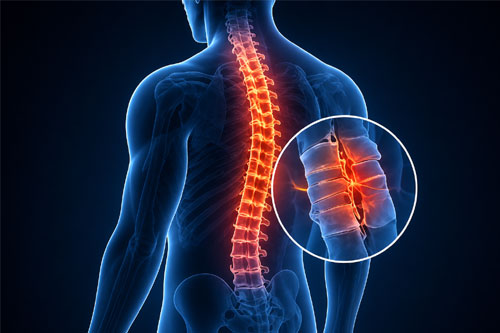
The spine is a highly complex structure composed of vertebrae, intervertebral discs, nerves, ligaments, muscles, and joints that work together to provide stability, flexibility, and protection for the spinal cord. When significant disease or structural abnormalities affect the spine, patients may develop complex spinal conditions requiring specialist neurosurgical and spinal assessment.
Complex spine pathologies can involve one or multiple areas of the spine and may affect spinal alignment, nerve function, mobility, posture, and overall quality of life. Some conditions progress gradually due to degeneration, while others develop suddenly following trauma, tumours, infection, or neurological disease.
These conditions often require advanced imaging, careful neurological evaluation, and highly specialised treatment strategies tailored to each individual patient.
At Spine Focus UK, specialist spinal care focuses on achieving accurate diagnosis, preserving neurological function, relieving pain, restoring spinal balance, and improving long-term outcomes using modern evidence-based techniques.
Types of Complex Spine Pathologies
Degenerative Spinal Disease
Degenerative spinal conditions are among the most common causes of chronic spinal symptoms in adults. Over time, spinal discs, joints, and ligaments undergo wear and degeneration that may result in instability, nerve compression, spinal stenosis, or deformity.
Common degenerative conditions include:
- Degenerative disc disease
- Spinal stenosis
- Spondylolisthesis
- Facet joint arthritis
- Multi-level nerve compression
- Degenerative scoliosis
Complex Spinal Deformity
Spinal deformities such as scoliosis, kyphosis, and sagittal imbalance can significantly affect posture, balance, mobility, and neurological function.
Adult spinal deformity often requires specialist surgical planning and may involve spinal reconstruction procedures to restore alignment and stability.
Cervical Spine Pathology
Complex cervical spine disorders can affect the neck, spinal cord, and nerve roots.
Conditions may include:
- Cervical myelopathy
- Cervical spinal stenosis
- Disc prolapse
- Cervical instability
- Craniocervical junction abnormalities
Compression of the spinal cord in the cervical region may cause progressive weakness, balance problems, coordination difficulties, and neurological deterioration.
Thoracic Spine Disorders
Thoracic spinal conditions are less common but may be highly complex due to the anatomy of the thoracic spine and proximity to the spinal cord.
Thoracic pathologies may include:
- Thoracic disc herniation
- Spinal tumours
- Compression fractures
- Thoracic myelopathy
- Spinal infection
Spinal Tumours
Spinal tumours may develop within the spinal cord, surrounding nerves, vertebrae, or nearby tissues. Tumours may be benign or malignant and can cause pain, instability, neurological symptoms, or spinal cord compression.
Early specialist assessment is essential to determine the nature of the tumour and appropriate treatment options.
Spinal Trauma and Instability
Complex spinal injuries may result from trauma, fractures, accidents, or instability affecting spinal alignment and neurological structures.
Severe spinal instability may place the spinal cord and nerves at risk and require urgent specialist intervention.
Common Symptoms of Complex Spine Pathologies
Symptoms vary depending on the location and severity of the spinal condition.
Common symptoms include:
- Chronic neck or back pain
- Leg pain or sciatica
- Arm pain
- Numbness or tingling
- Muscle weakness
- Difficulty walking
- Balance problems
- Postural changes
- Reduced mobility
- Spinal deformity
- Loss of coordination
- Neurological deterioration
- Bladder or bowel dysfunction in severe cases
Progressive neurological symptoms should always be assessed promptly by a spinal specialist.
Diagnosis of Complex Spine Conditions
Accurate diagnosis requires detailed clinical evaluation and advanced spinal imaging.
Investigations may include:
- MRI scans
- CT imaging
- Standing spinal X-rays
- Dynamic spinal imaging
- Neurological examination
- Electrophysiological studies
- Assessment of spinal balance and alignment
Advanced imaging allows detailed evaluation of spinal anatomy, nerve compression, instability, deformity, and spinal cord involvement.
Non-Surgical Treatment Options
Many patients with complex spinal conditions may initially benefit from conservative treatment.
Non-surgical management may include:
- Physiotherapy
- Pain management
- Image-guided spinal injections
- Medication
- Postural rehabilitation
- Lifestyle modification
- Exercise programmes
Conservative treatment aims to improve function, reduce pain, and delay progression where appropriate.
Surgical Treatment for Complex Spine Pathologies
Surgery may be recommended when symptoms significantly affect quality of life, neurological function deteriorates, or conservative treatment fails to provide adequate relief.
Surgical goals may include:
- Relieving nerve compression
- Stabilising the spine
- Correcting spinal deformity
- Removing tumours
- Restoring spinal alignment
- Protecting neurological function
Minimally Invasive Spinal Surgery
Minimally invasive spinal surgery uses smaller incisions and advanced techniques to reduce tissue disruption, blood loss, postoperative pain, and recovery time where appropriate.
Robotic-Assisted Spinal Surgery
Robotic spinal surgery allows improved precision during complex instrumentation placement and spinal reconstruction procedures.
Advanced technologies may enhance surgical accuracy and improve safety in selected complex cases.
Complex Spinal Reconstruction
Severe spinal deformity or instability may require advanced reconstructive surgery involving spinal fusion, correction of alignment, and stabilisation using specialised implants and instrumentation.
The Importance of Specialist Spinal Care
Complex spinal disorders often require highly specialised assessment and multidisciplinary management.
Treatment planning depends on:
- The type of spinal pathology
- Severity of symptoms
- Neurological involvement
- Spinal balance and stability
- Overall health and mobility goals
- Previous spinal surgery
Careful surgical planning and evidence-based decision-making are essential to achieving optimal long-term outcomes.
Advanced Complex Spine Care at Spine Focus UK
Spine Focus UK provides specialist diagnosis and treatment for complex spinal disorders and advanced neurosurgical conditions.
Mr. Taofiq Desmond Sanusi is a Consultant Neurosurgeon and Complex Spine Surgeon with fellowship training in spinal deformity surgery, minimally invasive spinal surgery, robotic-assisted spinal surgery, and complex spinal reconstruction.
Patients receive comprehensive, patient-focused care using advanced imaging, modern surgical technologies, and personalised treatment strategies designed to improve pain, mobility, neurological function, and quality of life.
Frequently Asked Questions
Common questions about Complex spine pathologies, symptoms, diagnosis, treatment options, and recovery.
What are complex spine pathologies?
Complex spine pathologies are advanced spinal conditions involving deformity, instability, nerve compression, tumours, trauma, or multi-level spinal disease requiring specialist assessment and treatment.
What symptoms can complex spinal conditions cause?
Symptoms may include back pain, neck pain, numbness, weakness, balance problems, nerve compression symptoms, spinal deformity, and reduced mobility.
What causes complex spine disorders?
Complex spinal conditions may result from degeneration, spinal deformity, trauma, tumours, instability, infection, congenital abnormalities, or previous spinal surgery.
How are complex spine pathologies diagnosed?
Diagnosis usually involves MRI scans, CT imaging, spinal X-rays, neurological examination, and assessment of spinal alignment and stability.
Can complex spinal conditions be treated without surgery?
Many patients initially benefit from physiotherapy, pain management, spinal injections, rehabilitation, and other non-surgical treatments.
When is spinal surgery recommended?
Surgery may be recommended when patients experience severe pain, progressive neurological symptoms, spinal instability, deformity, or reduced quality of life despite conservative treatment.
What is minimally invasive spinal surgery?
Minimally invasive spinal surgery uses smaller incisions and advanced techniques to reduce tissue damage, pain, blood loss, and recovery time.
What is robotic-assisted spinal surgery?
Robotic spinal surgery uses advanced technology to improve surgical precision during spinal instrumentation and complex reconstruction procedures.
Can spinal deformity worsen over time?
Yes. Conditions such as scoliosis, kyphosis, and degenerative spinal deformity may gradually progress if left untreated.
Why is specialist spinal assessment important?
Complex spinal conditions often require advanced imaging, neurological evaluation, and highly specialised treatment planning to achieve the safest and most effective outcomes.
Need Specialist Advice?
Spine Focus UK provides specialist assessment and advanced treatment for complex spinal and neurosurgical conditions.
Book a Consultation