Adult spinal deformities
Adult spinal deformity refers to abnormal curvature or alignment of the spine that develops or progresses during adulthood. These conditions may affect the cervical, thoracic, or lumbar spine and can lead to chronic pain, reduced mobility, nerve compression, posture changes, and significant impact on quality of life.
Common forms of adult spinal deformity include scoliosis, kyphosis, sagittal imbalance, and degenerative spinal deformity. While some patients develop spinal curvature earlier in life, others develop deformity due to age-related degeneration of discs, joints, and spinal structures.
At Spine Focus UK, Mr. Taofiq Desmond Sanusi provides specialist assessment and advanced treatment for adult spinal deformities using evidence-based techniques including minimally invasive surgery, robotic-assisted spinal surgery, and complex spinal reconstruction where appropriate.
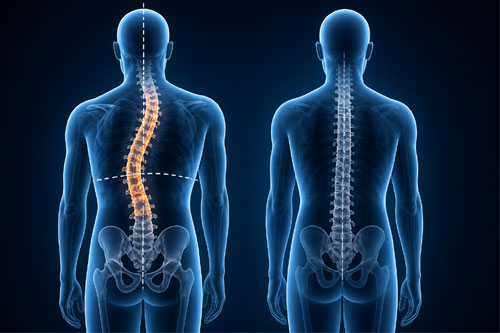
Understanding Adult Spinal Deformities
Adult spinal deformity is a broad term used to describe abnormal curvature, alignment, or balance of the spine occurring in adults. These conditions can affect posture, mobility, nerve function, and overall spinal mechanics. Adult spinal deformities may develop gradually due to degeneration, previous spinal conditions, trauma, osteoporosis, or progression of childhood scoliosis.
As the spine loses structural balance, patients may experience chronic pain, difficulty standing upright, reduced walking tolerance, fatigue, nerve compression symptoms, and progressive disability. In severe cases, spinal deformity may significantly impact daily activities and overall quality of life.
Modern advances in spinal surgery and imaging have significantly improved the diagnosis and treatment of adult spinal deformities. At Spine Focus UK, specialist assessment focuses on identifying the underlying cause of spinal imbalance and developing an individualised treatment strategy tailored to each patient’s symptoms, spinal alignment, neurological function, and long-term goals.
Types of Adult Spinal Deformities
Degenerative Scoliosis
Degenerative scoliosis is one of the most common adult spinal deformities. It occurs when age-related degeneration of spinal discs and joints causes the spine to curve abnormally. This condition commonly affects the lumbar spine and may result in back pain, leg pain, spinal stenosis, and imbalance.
Patients may notice gradual leaning to one side, uneven posture, or increasing difficulty standing upright for prolonged periods.
Kyphosis
Kyphosis refers to excessive forward curvature of the spine, leading to a hunched posture. Severe kyphosis may place strain on muscles, affect balance, and reduce quality of life.
In some patients, kyphosis develops due to osteoporosis, vertebral fractures, degenerative changes, or previous spinal surgery.
Sagittal Imbalance
Sagittal imbalance occurs when the spine loses proper front-to-back alignment. Patients often struggle to stand upright comfortably and may lean forward while walking.
This condition can cause severe fatigue, muscle strain, and reduced mobility because the body must constantly compensate to maintain balance.
Adult Progression of Childhood Scoliosis
Some adults with scoliosis diagnosed during adolescence may experience progression of spinal curvature later in life. Curves may worsen gradually with age, particularly when associated with degeneration or osteoporosis.
Common Symptoms of Adult Spinal Deformity
Symptoms vary depending on the type and severity of the deformity. Some patients experience mild discomfort, while others develop severe pain and neurological symptoms.
Common symptoms include:
- Chronic back pain
- Neck pain
- Leg pain or sciatica
- Numbness or tingling
- Weakness in the arms or legs
- Difficulty standing upright
- Reduced walking tolerance
- Postural imbalance
- Fatigue during standing or walking
- Visible spinal curvature
- Loss of height
- Difficulty performing daily activities
In advanced cases, nerve compression may lead to worsening neurological symptoms affecting mobility, coordination, and bladder or bowel function.
Causes and Risk Factors
Several factors may contribute to adult spinal deformity.
Common causes include:
- Degenerative disc disease
- Facet joint arthritis
- Osteoporosis
- Previous spinal surgery
- Spinal fractures
- Neuromuscular disorders
- Congenital spinal abnormalities
- Progression of adolescent scoliosis
- Age-related spinal degeneration
As spinal discs lose height and joints degenerate, the spine may gradually lose stability and alignment, resulting in abnormal curvature and imbalance.
How Adult Spinal Deformity Is Diagnosed
Accurate diagnosis requires comprehensive clinical assessment and detailed spinal imaging.
Evaluation may include:
- Medical history assessment
- Neurological examination
- Standing spinal X-rays
- MRI scans
- CT imaging
- Assessment of spinal balance and alignment
- Bone density evaluation
Modern spinal imaging allows detailed analysis of spinal curvature, nerve compression, sagittal balance, and overall spinal mechanics.
Understanding the relationship between spinal alignment and symptoms is essential when planning treatment.
Non-Surgical Treatment Options
Many patients with adult spinal deformity can initially be managed without surgery.
Conservative treatment options may include:
- Physiotherapy
- Core strengthening exercises
- Pain management
- Anti-inflammatory medication
- Image-guided spinal injections
- Postural rehabilitation
- Osteoporosis treatment
- Lifestyle modification
Non-surgical treatment aims to reduce pain, improve function, and slow progression of symptoms.
However, patients with severe deformity, progressive neurological symptoms, or major spinal imbalance may eventually require surgical treatment.
Surgical Treatment for Adult Spinal Deformity
Surgery may be considered when symptoms significantly affect quality of life or when conservative treatment fails to provide adequate relief.
Surgical goals may include:
- Relieving nerve compression
- Correcting spinal alignment
- Restoring spinal balance
- Stabilising the spine
- Reducing pain
- Improving mobility and function
Decompression Surgery
Spinal decompression may be performed to relieve pressure on nerves or the spinal cord caused by stenosis or deformity-related compression.
Spinal Fusion
Fusion surgery stabilises the spine using screws, rods, cages, and bone grafts. This may help restore alignment and prevent progression of deformity.
Minimally Invasive Techniques
Modern minimally invasive spinal surgery techniques may reduce muscle disruption, blood loss, pain, and recovery time in selected patients.
Robotic-Assisted Spinal Surgery
Robotic spinal surgery allows enhanced precision during instrumentation placement and complex spinal reconstruction procedures.
Advanced surgical technologies continue to improve safety and outcomes for patients with adult spinal deformity.
The Importance of Specialist Assessment
Adult spinal deformity is highly complex and requires specialist evaluation by experienced spinal surgeons.
Treatment decisions depend on multiple factors including:
- Severity of deformity
- Neurological symptoms
- Spinal balance
- Overall health
- Bone quality
- Mobility goals
- Previous spinal surgery
Careful preoperative planning and individualised treatment strategies are essential to achieving optimal outcomes.
Advanced Adult Spinal Deformity Care at Spine Focus UK
Spine Focus UK provides specialist diagnosis and treatment for adult spinal deformities and complex spinal conditions.
Mr. Taofiq Desmond Sanusi is a Consultant Neurosurgeon and Complex Spine Surgeon with advanced fellowship training in spinal deformity surgery, robotic spinal surgery, minimally invasive spinal techniques, and complex spinal reconstruction.
Patients receive comprehensive, evidence-based care focused on improving pain, restoring spinal balance, enhancing mobility, and improving long-term quality of life.
Frequently Asked Questions
Common questions about Adult spinal deformities, symptoms, diagnosis, treatment options, and recovery.
What is adult spinal deformity?
Adult spinal deformity refers to abnormal curvature or imbalance of the spine occurring in adulthood. Common forms include scoliosis, kyphosis, and sagittal imbalance.
What causes adult spinal deformity?
Common causes include degenerative disc disease, arthritis, osteoporosis, spinal fractures, previous spinal surgery, and progression of scoliosis diagnosed earlier in life.
What are the symptoms of adult spinal deformity?
Symptoms may include back pain, postural imbalance, leg pain, difficulty standing upright, fatigue, numbness, weakness, and reduced mobility.
Can adult spinal deformity worsen over time?
Yes. In many cases spinal deformity gradually progresses due to ongoing degeneration and spinal imbalance, particularly without appropriate treatment.
How is adult spinal deformity diagnosed?
Diagnosis usually involves clinical assessment, standing spinal X-rays, MRI scans, CT imaging, and evaluation of spinal alignment and neurological function.
Can adult spinal deformity be treated without surgery?
Many patients benefit from non-surgical treatment including physiotherapy, pain management, spinal injections, exercise programmes, and postural rehabilitation.
When is surgery recommended for adult spinal deformity?
Surgery may be recommended when patients experience severe pain, spinal imbalance, neurological symptoms, progressive deformity, or reduced quality of life despite conservative treatment.
What surgical options are available?
Treatment may include spinal decompression, spinal fusion, minimally invasive spinal surgery, or complex deformity correction depending on the condition and severity.
What is robotic spinal surgery?
Robotic-assisted spinal surgery uses advanced technology to improve surgical precision during complex spinal procedures and instrumentation placement.
How long does recovery take after adult spinal deformity surgery?
Recovery varies depending on the complexity of surgery, overall health, and rehabilitation progress. Some patients recover within weeks while larger reconstructive procedures may require longer rehabilitation.
Need Specialist Advice?
Spine Focus UK provides specialist assessment and advanced treatment for complex spinal and neurosurgical conditions.
Book a Consultation