Cerebrospinal fluid disorders
Cerebrospinal fluid (CSF) disorders are conditions that affect the production, circulation, pressure, or drainage of the fluid surrounding the brain and spinal cord. Cerebrospinal fluid plays a vital role in protecting the nervous system, delivering nutrients, and maintaining normal neurological function.
When cerebrospinal fluid flow becomes disrupted, patients may develop a range of neurological symptoms including headaches, balance difficulties, visual disturbances, cognitive changes, pressure-related symptoms, and spinal problems. Some cerebrospinal fluid disorders can become serious if left untreated and may significantly affect quality of life.
Common cerebrospinal fluid disorders include hydrocephalus, cerebrospinal fluid leaks, intracranial hypotension, idiopathic intracranial hypertension, arachnoid cysts, and pressure-related cranial conditions.
At Spine Focus UK, Mr. Taofiq Desmond Sanusi provides specialist assessment and advanced treatment for complex cerebrospinal fluid disorders using modern neurosurgical techniques and evidence-based care pathways.
Comprehensive neurological evaluation and advanced imaging are essential to accurately diagnose cerebrospinal fluid disorders and develop an individualised treatment plan focused on symptom relief, neurological protection, and long-term recovery.
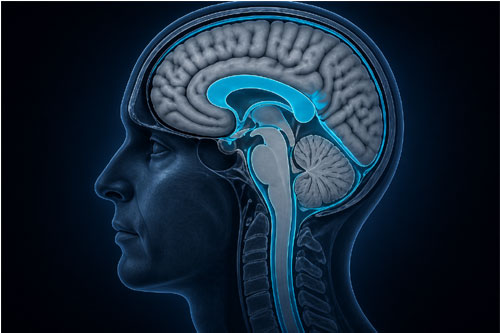
Understanding Cerebrospinal Fluid Disorders
Cerebrospinal fluid (CSF) is a clear fluid that surrounds the brain and spinal cord. It acts as a protective cushion for the central nervous system while also helping transport nutrients, remove waste products, and maintain stable pressure within the skull and spinal canal.
Cerebrospinal fluid is continuously produced and absorbed by the body. When this delicate balance becomes disrupted, patients may develop cerebrospinal fluid disorders that affect neurological function and overall health.
Disorders involving cerebrospinal fluid can cause symptoms ranging from chronic headaches and dizziness to balance problems, visual disturbances, cognitive difficulties, and nerve-related symptoms. Some conditions may develop gradually, while others occur suddenly following trauma, surgery, or infection.
At Spine Focus UK, specialist assessment focuses on identifying the underlying cause of cerebrospinal fluid dysfunction and developing an individualised treatment strategy based on symptoms, imaging findings, and overall neurological health.
What Is Cerebrospinal Fluid?
Cerebrospinal fluid is produced primarily within the ventricles of the brain by structures known as the choroid plexus. The fluid circulates around the brain and spinal cord before being reabsorbed into the bloodstream.
CSF performs several important functions:
- Protecting the brain and spinal cord from injury
- Maintaining stable intracranial pressure
- Removing waste products from the nervous system
- Transporting nutrients
- Supporting normal neurological function
Any disruption in production, circulation, pressure regulation, or absorption may result in cerebrospinal fluid disorders.
Types of Cerebrospinal Fluid Disorders
Hydrocephalus
Hydrocephalus occurs when excess cerebrospinal fluid accumulates within the ventricles of the brain. This can increase intracranial pressure and place pressure on surrounding brain tissue.
Hydrocephalus may occur due to blockage of CSF flow, impaired absorption, congenital abnormalities, bleeding, infection, tumours, or previous surgery.
Symptoms may include:
- Headaches
- Nausea and vomiting
- Balance difficulties
- Walking problems
- Memory changes
- Visual disturbances
- Cognitive decline
- Urinary symptoms
Cerebrospinal Fluid Leak
A cerebrospinal fluid leak occurs when CSF escapes through a defect in the dura, the protective membrane surrounding the brain and spinal cord.
CSF leaks may develop spontaneously or occur following trauma, spinal procedures, surgery, or degenerative spinal conditions.
Common symptoms include:
- Severe positional headaches
- Neck pain
- Nausea
- Dizziness
- Hearing changes
- Fluid drainage from the nose or ear
- Pressure-related headaches
Idiopathic Intracranial Hypertension
Idiopathic intracranial hypertension (IIH), also known as pseudotumor cerebri, involves raised intracranial pressure without an obvious structural cause.
This condition commonly affects young adults and may cause:
- Chronic headaches
- Visual disturbances
- Pulsatile tinnitus
- Blurred vision
- Pressure behind the eyes
If untreated, elevated intracranial pressure may lead to progressive visual loss.
Intracranial Hypotension
Intracranial hypotension occurs when cerebrospinal fluid pressure becomes abnormally low, often due to a spinal CSF leak.
Patients frequently experience severe headaches that worsen when standing and improve when lying down.
Arachnoid Cysts
Arachnoid cysts are fluid-filled sacs that may develop within the membranes surrounding the brain or spinal cord. While many remain asymptomatic, some may affect cerebrospinal fluid flow or compress neurological structures.
Common Symptoms of Cerebrospinal Fluid Disorders
Symptoms vary depending on the underlying condition and whether pressure becomes too high or too low.
Common symptoms include:
- Persistent headaches
- Positional headaches
- Nausea and vomiting
- Dizziness
- Balance difficulties
- Visual disturbances
- Blurred vision
- Neck pain
- Hearing changes
- Cognitive difficulties
- Memory problems
- Walking difficulties
- Fatigue
- Nerve-related symptoms
Some symptoms may gradually worsen over time, particularly if intracranial pressure abnormalities remain untreated.
Diagnosis of Cerebrospinal Fluid Disorders
Accurate diagnosis often requires specialist neurological assessment and advanced imaging studies.
Investigations may include:
- MRI brain and spine imaging
- CT scans
- Contrast imaging studies
- Lumbar puncture
- Intracranial pressure monitoring
- CSF flow studies
- Neurological examination
- Visual assessment
Modern imaging plays an essential role in identifying CSF leaks, hydrocephalus, structural abnormalities, and pressure-related disorders.
Treatment Options for Cerebrospinal Fluid Disorders
Treatment depends on the underlying condition, severity of symptoms, and the presence of neurological complications.
Conservative Management
Some cerebrospinal fluid disorders may initially be managed with observation, medication, hydration, bed rest, or pressure-lowering therapies.
Medication
Medications may be used to:
- Reduce intracranial pressure
- Control headaches
- Manage symptoms
- Reduce CSF production
CSF Leak Repair
Cerebrospinal fluid leaks may require epidural blood patches or surgical repair to seal the leak and restore normal pressure dynamics.
Shunt Surgery
Hydrocephalus may be treated using shunt systems that divert excess cerebrospinal fluid away from the brain to another part of the body.
Endoscopic Procedures
Minimally invasive endoscopic neurosurgical techniques may be used in selected cases to restore cerebrospinal fluid flow or treat ventricular obstruction.
Advanced Neurosurgical Treatment
Complex pressure disorders and structural abnormalities may require specialist neurosurgical intervention and long-term follow-up.
The Importance of Specialist Care
Cerebrospinal fluid disorders are often complex and may mimic other neurological conditions. Early specialist assessment is important to avoid delays in diagnosis and treatment.
Prompt management may help prevent complications such as:
- Neurological deterioration
- Visual loss
- Progressive pressure-related damage
- Chronic pain
- Cognitive decline
- Mobility impairment
Comprehensive evaluation by an experienced neurosurgical specialist is essential for accurate diagnosis and long-term management.
Specialist Cerebrospinal Fluid Disorder Care at Spine Focus UK
Spine Focus UK provides advanced assessment and treatment for complex cerebrospinal fluid disorders and cranial conditions.
Mr. Taofiq Desmond Sanusi is a Consultant Neurosurgeon and Complex Spine Surgeon with specialist expertise in complex neurological and spinal disorders, including cerebrospinal fluid disorders and pressure-related neurological conditions.
Patients receive evidence-based, patient-focused care using advanced imaging, modern neurosurgical techniques, and personalised treatment planning tailored to their condition and long-term recovery goals.
Frequently Asked Questions
Common questions about Cerebrospinal fluid disorders, symptoms, diagnosis, treatment options, and recovery.
What are cerebrospinal fluid disorders?
Cerebrospinal fluid disorders are conditions that affect the production, flow, pressure, or drainage of the fluid surrounding the brain and spinal cord.
What symptoms can cerebrospinal fluid disorders cause?
Symptoms may include headaches, dizziness, balance problems, visual disturbances, nausea, neck pain, memory changes, and pressure-related neurological symptoms.
What causes cerebrospinal fluid leaks?
Cerebrospinal fluid leaks may occur spontaneously or following trauma, spinal procedures, surgery, or degenerative spinal conditions.
What is hydrocephalus?
Hydrocephalus is a condition where excess cerebrospinal fluid accumulates within the ventricles of the brain, increasing pressure on surrounding structures.
How are cerebrospinal fluid disorders diagnosed?
Diagnosis may involve MRI scans, CT imaging, lumbar puncture, neurological examination, intracranial pressure assessment, and cerebrospinal fluid flow studies.
Can cerebrospinal fluid disorders be treated without surgery?
Some conditions may be managed conservatively using medication, observation, hydration, bed rest, or pressure-lowering treatments depending on the diagnosis.
When is surgery needed for cerebrospinal fluid disorders?
Surgery may be recommended for hydrocephalus, persistent cerebrospinal fluid leaks, pressure-related disorders, or structural abnormalities affecting cerebrospinal fluid flow.
What is a cerebrospinal fluid shunt?
A shunt is a medical device used to divert excess cerebrospinal fluid away from the brain to help reduce pressure and treat hydrocephalus.
Can cerebrospinal fluid disorders become serious?
Yes. Untreated cerebrospinal fluid disorders may lead to neurological deterioration, visual problems, cognitive changes, and other serious complications.
Why is specialist neurosurgical assessment important?
Many cerebrospinal fluid disorders are complex and require advanced imaging, neurological assessment, and specialist treatment planning to achieve the best outcomes.
Need Specialist Advice?
Spine Focus UK provides specialist assessment and advanced treatment for complex spinal and neurosurgical conditions.
Book a Consultation