Chiari I malformation
Chiari I malformation is a neurological condition in which the lower part of the brain, known as the cerebellar tonsils, extends downward through the opening at the base of the skull called the foramen magnum. This can disrupt the normal flow of cerebrospinal fluid and place pressure on the brainstem, spinal cord, and surrounding neurological structures.
Some patients with Chiari I malformation remain symptom-free, while others may experience headaches, neck pain, dizziness, balance problems, numbness, weakness, swallowing difficulties, or neurological symptoms that significantly affect daily life and quality of life.
Chiari I malformation may occur as an isolated condition or alongside other neurological disorders such as syringomyelia, scoliosis, connective tissue disorders, or cerebrospinal fluid flow abnormalities.
At Spine Focus UK, Mr. Taofiq Desmond Sanusi provides specialist assessment and advanced treatment for Chiari I malformation and related craniovertebral conditions using modern neurosurgical techniques and evidence-based care.
Careful clinical assessment and advanced imaging are essential to determine the severity of the condition, evaluate cerebrospinal fluid flow, identify associated neurological abnormalities, and develop an individualised treatment plan focused on symptom relief and long-term neurological protection.
Understanding Chiari I Malformation
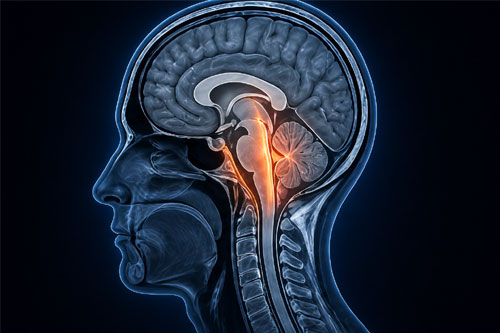
Chiari I malformation is a structural abnormality involving the junction between the brain and upper spinal canal. In this condition, part of the cerebellum extends downward below the foramen magnum, the opening at the base of the skull where the spinal cord passes through.
This downward displacement may affect the normal circulation of cerebrospinal fluid (CSF) and place pressure on the brainstem and upper spinal cord. As a result, patients may develop a wide range of neurological symptoms that vary in severity from mild to debilitating.
Chiari I malformation is often diagnosed during adolescence or adulthood, although some patients remain asymptomatic for many years. In some cases, the condition is discovered incidentally during MRI scans performed for unrelated reasons.
At Spine Focus UK, specialist assessment focuses on identifying the relationship between imaging findings, cerebrospinal fluid flow abnormalities, neurological symptoms, and overall patient function in order to develop an individualised treatment strategy.
What Causes Chiari I Malformation?
Chiari I malformation is usually considered a congenital condition, meaning it develops during growth and development before birth. In many cases, the posterior fossa, the space at the base of the skull that contains the cerebellum, may be smaller than normal. This can result in crowding and downward displacement of the cerebellar tonsils.
However, modern research suggests that Chiari I malformation may involve multiple contributing factors including:
- Congenital skull base abnormalities
- Reduced posterior fossa volume
- Cerebrospinal fluid flow abnormalities
- Connective tissue disorders
- Craniovertebral instability
- Spinal pressure abnormalities
- Trauma in selected cases
Chiari I malformation may also occur alongside conditions such as syringomyelia, hydrocephalus, scoliosis, tethered cord syndrome, and connective tissue disorders.
Common Symptoms of Chiari I Malformation
Symptoms vary significantly between individuals. Some patients experience only mild symptoms, while others develop progressive neurological problems affecting daily activities and quality of life.
Common symptoms include:
- Headaches at the back of the head
- Headaches worsened by coughing, sneezing, or straining
- Neck pain
- Dizziness
- Balance problems
- Numbness or tingling in the arms and legs
- Muscle weakness
- Difficulty swallowing
- Visual disturbances
- Hearing changes
- Fatigue
- Coordination difficulties
- Sleep disturbances
- Cognitive symptoms
Symptoms may gradually worsen over time, particularly if cerebrospinal fluid flow becomes increasingly obstructed.
Syringomyelia and Chiari I Malformation
One of the most important associated conditions linked to Chiari I malformation is syringomyelia.
Syringomyelia occurs when a fluid-filled cavity called a syrinx develops within the spinal cord. This may occur due to disruption of normal cerebrospinal fluid flow at the foramen magnum.
Syringomyelia can cause:
- Weakness
- Numbness
- Pain
- Stiffness
- Loss of sensation
- Balance problems
- Progressive neurological deterioration
Early identification and treatment are important to help prevent long-term spinal cord damage.
How Chiari I Malformation Is Diagnosed
Diagnosis usually involves detailed neurological assessment and advanced imaging studies.
MRI scanning is the primary investigation used to evaluate:
- Tonsillar descent
- Compression at the craniovertebral junction
- Cerebrospinal fluid flow
- Syringomyelia
- Brainstem compression
- Associated spinal abnormalities
Additional imaging or investigations may include:
- Cine MRI cerebrospinal fluid flow studies
- CT imaging
- Spinal MRI scans
- Neurological examination
- Assessment for connective tissue disorders
Importantly, imaging findings alone do not determine whether surgery is required. Treatment decisions depend on the severity of symptoms, neurological findings, cerebrospinal fluid flow obstruction, and associated conditions.
Non-Surgical Management
Not all patients with Chiari I malformation require surgery.
Patients with mild or stable symptoms may initially be managed conservatively with:
- Clinical monitoring
- Pain management
- Physiotherapy
- Lifestyle modification
- Regular imaging follow-up
Careful observation may be appropriate for selected patients without progressive neurological symptoms or significant cerebrospinal fluid obstruction.
Surgical Treatment for Chiari I Malformation
Surgery may be considered when patients experience significant symptoms, progressive neurological deterioration, syringomyelia, or cerebrospinal fluid flow obstruction.
The primary goal of surgery is to create more space around the brainstem and restore normal cerebrospinal fluid flow.
Foramen Magnum Decompression
The most common procedure for Chiari I malformation is foramen magnum decompression.
This procedure may involve:
- Removal of a small portion of bone at the base of the skull
- Removal of part of the upper cervical vertebra
- Expansion of the dura to improve cerebrospinal fluid flow
The surgical approach is carefully tailored to the individual patient and associated abnormalities.
Advanced Neurosurgical Techniques
Modern microsurgical techniques and advanced imaging continue to improve safety and outcomes in Chiari surgery.
Comprehensive preoperative planning and specialist follow-up are essential components of long-term management.
The Importance of Specialist Assessment
Chiari I malformation is a highly specialised neurological condition that requires expert evaluation by experienced neurosurgical specialists.
Careful assessment is important to determine:
- Whether symptoms are truly related to Chiari malformation
- The degree of cerebrospinal fluid flow obstruction
- The presence of syringomyelia
- Whether surgery is appropriate
- The safest treatment strategy
Early specialist assessment may help prevent progression of neurological symptoms and spinal cord complications.
Advanced Chiari I Malformation Care at Spine Focus UK
Spine Focus UK provides specialist diagnosis and treatment for Chiari I malformation and complex craniovertebral disorders.
Mr. Taofiq Desmond Sanusi is a Consultant Neurosurgeon and Complex Spine Surgeon with advanced fellowship training in complex spinal and neurosurgical conditions, including cerebrospinal fluid disorders and craniovertebral pathology.
Patients receive comprehensive, evidence-based care using advanced imaging, modern neurosurgical techniques, and personalised treatment planning focused on long-term neurological health and quality of life.
Frequently Asked Questions
Common questions about Chiari I malformation, symptoms, diagnosis, treatment options, and recovery.
What is Chiari I malformation?
Chiari I malformation is a condition where the lower part of the brain extends downward through the opening at the base of the skull, affecting cerebrospinal fluid flow and neurological structures.
What symptoms can Chiari I malformation cause?
Symptoms may include headaches, neck pain, dizziness, balance problems, numbness, weakness, swallowing difficulties, and neurological symptoms.
What causes Chiari I malformation?
Chiari I malformation is usually congenital and may result from reduced space at the base of the skull, cerebrospinal fluid flow abnormalities, or craniovertebral structural abnormalities.
What is syringomyelia?
Syringomyelia is a condition where a fluid-filled cavity develops within the spinal cord and is commonly associated with Chiari I malformation.
How is Chiari I malformation diagnosed?
Diagnosis usually involves MRI scans, neurological examination, cerebrospinal fluid flow studies, and assessment of associated neurological abnormalities.
Does Chiari I malformation always require surgery?
No. Some patients with mild or stable symptoms may be managed conservatively with monitoring and non-surgical treatment.
When is surgery recommended for Chiari I malformation?
Surgery may be recommended for patients with significant symptoms, progressive neurological deterioration, syringomyelia, or cerebrospinal fluid flow obstruction.
What is foramen magnum decompression surgery?
Foramen magnum decompression is a surgical procedure designed to create more space around the brainstem and restore normal cerebrospinal fluid flow.
Can Chiari I malformation worsen over time?
Yes. In some patients symptoms and neurological complications may gradually progress over time if cerebrospinal fluid obstruction persists.
Why is specialist neurosurgical assessment important?
Chiari I malformation is a complex neurological condition requiring specialist imaging, assessment, and treatment planning to achieve the best outcomes.
Need Specialist Advice?
Spine Focus UK provides specialist assessment and advanced treatment for complex spinal and neurosurgical conditions.
Book a Consultation